‏إظهار الرسائل ذات التسميات مقالات خارجية. إظهار كافة الرسائل

الاثنين، 20 أغسطس 2012

طارق رمضان يكتب: المعادلة السلفية!


ملخص ما فهمته من هذا المقال لطارق رمضان - مدونة مواطن محبط جدااااا: السلفية ظاهرة تديّن تعتني بالشكل والمظاهر (اللحى / القمصان / النقاب، إلخ) دون أصل الدين وقيمه. هي ظاهرة تقسم العالم إلى ثنائيات (حلال / حرام، نقي / مدنّس، مسلم / كافر، إلخ) تساعد كثيرا ضعاف المعرفة والجهلة على إيجاد نمط تديّن مريح لا يدعو للاجتهاد أو التفكر. هذه الظاهرة لا تهتم بأصل الدين ولا تسائل القضايا الكبرى في هذا العالم (النمط الاقتصادي النيوليبرالي، تحرير فلسطين، إلخ) بناء على قيم الإسلام وإنما تدعمها ماديا وسياسيا (مثال: أنظمة الخليج). الظاهرة السلفية تخدم مصالح القوى الغربية بامتياز لأنها تثير فتنة طائفية (سنّة / شيعة) ومذهبية تشق صف المسلمين وتضعف قدرتهم على التوحد حول مشروع إسلامي إصلاحي يتصدى للمؤامرات الخارجية. الجمود الفكري والعقائدي لهذه الظاهرة مضافا إليه الامكانيات المالية لجناحه السياسي الخليجي لديه القدرة على شل قدرة المسلمين في التعامل الواعي مع واقعهم وهو ما يسهل سيطرة القوى الغربية على العالم الإسلامي بكل يسر. إنهم طاعون قاتل!

طارق رمضان يكتب: المعادلة السلفية
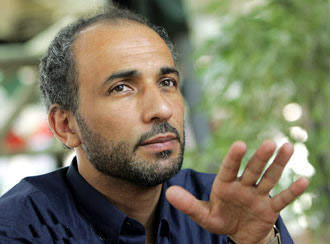
في الوقت الذي نتابع فيه التطورات السياسية في كل من غرب وشمال إفريقيا وكذا في منطقة الشرق الأوسط، لا بد لنا من أخذ “المعادلة السلفية” بعين الاعتبار، والتي لعلها تكون من بين التحديات الدينية والسياسية الأكثر مصيرية في السنوات القادمة. بعد مضيّ عام من انتفاضات الصحوة العربية، أخذت التنظيمات والأحزاب السلفية تلعب دوراً نشيطا بشكل متزايد في كامل منطقة الشرق الأوسط وشمال إفريقيا.

ويلاحظ أن المنظمات السلفية السعودية والقطرية نشيطة جداً على المستويين الوطني والدولي. إذ أنها تدعم تنظيمات سلفية أخرى في جميع أنحاء العالم، في دول غرب إفريقيا (كالسنيغال، مالي، النيجر، ونيجريا ..) وكذا في دول شمال إفريقيا (كالمغرب، الجزائر وتونس) كما تدعمها في الشرق الأوسط وآسيا (في مصر، لبنان، أندونيسيا، ماليزيا). ويمتد هذا الدعم ليشمل الدول الأوروبية والأمريكية نفسها. ويبقى دعم هذه المنظمات بالأساس إيديولوجيا وماليا، هدفه نشر خطاب إسلامي من نوع خاص عن طريق كتب، منشورات ومؤتمرات، وعبر بناء مساجد ومؤسسات.

كل التنظيمات السلفية تجمعها مقاربة شديدة الحرفية للنصوص الشرعية، مع إيلاء الأهمية عادة للتمظهرات المرئية للمرجعية الإسلامية في الحياة اليومية (أحكام شرعية وفقهية): السلوكات المباحة وغير المباحة (حلال أو حرام). نظام اللباس، والطقوس وغيرها.

أصبحت المقاربة السلفية النقلية تنتشر في الكثير من الدول (حتى في الغرب نفسه) كما تنتشر في أوساط الشباب لأنها تشجع فهماً للإسلام يُختزل في رؤية الأمور بالأبيض أو الأسود: (حلال ـــــ حرام). على المسلمين، كما يؤكد السلفيون، اعتزال التجمعات المحيطة الفاسدة وتجنب النشاط السياسي.

هذه الرؤية الثنائية للعالم (المسلمون ضد غيرهم، الشر ضد الخير، النقاء الديني المــحفوظ ضد النشاط السياسي المفسد) صاغت مع مر السنين موقفاً فكرياً يتأسس على الانعزالية، واتخاذ وضع دفاعي وإصدار تقييمات حادة (من ينتمي إلى الإسلام في مقابل من هو مبتدع خطير، أو حتى مطرود من الملة).

لم تذهب الغالبية العظمى من السلفيين إلى أبعد من مثل هذه التقييمات الفقهية: هناك أقلية جدُّ صغيرة ( تطورت في شبكات مغلقة ومهمشة) لها نفس الموقف الفكري الثنائي، قامت بتغيير موقفها الدفاعي إلى حركية سياسية عدوانية، وأحياناً عنفية، مانحة لنفسها اسم “السلفية الجهادية”.

ليس هناك بشكل واضح أي علاقة إيديولوجية أو تنظيمية ما بين السلفيين النقليِّين والسلفيين الجهاديين، ولكن هؤلاء حملوا في الأوساط السياسية نفس الموقف الفكري الذي نجده منتشراً في صفوف النقليِّين فيما يخص القضايا التي تهم السلوكات (مع إضافة تبرير العنف ضد الأنظمة غير الإسلامية و”الفاسدة”).

غير أنه بإمكاننا أن نسجل، في السنوات والشهور الأخيرة، تحولا في النشاط السياسي للسلفيين النقليِّين. فبعد أن كانوا يرفضون خلال عقود المشاركة السياسية رابطين الديمقراطية بالكفر (رفض الإسلام)، أصبحوا الآن ينشطون في السياسة.

شكلت أفغانستان في التسعينيات تجربة حاسمة حيث صار الطالبان (وهم تقليديون عارضوا أيضا في البداية المشاركة السياسية) القوة الرئيسية المقاومة للهيمنة الروسية، مدعومين من قبل النظام السعودي والولايات المتحدة الأمريكية.

واليوم، أصبحنا نُعايِن في كل من مصر وتونس، صعود تنطيمات سلفية نقلية نشيطة بل فعالة، مثلما هو عليه الحال مع الأحزاب السياسية التي تلعب دوراً نقدياً عبر إثارة النقاش وتعديل التوازن السياسي داخل الدول المعنية.

ليس للولايات المتحدة الأمريكية كما ليس للدول الأوروبية مشكل في التفاوض مع هذا النوع من الإسلام السياسي الذي طوره السلفيون النقليُّون، والذي نجده عند الكثير من إمارات النفط الخليجية: هذه الأنظمة تستطيع بكل تأكيد أن تعارض الديمقراطية كما تستطيع أن تعارض التعددية. لكنها رغم ذلك لا تعرقل بأي وجهٍ المصالح الاقتصادية والجيوستراتيجية الغربية في المنطقة أو على المستوى الدولى. بل إنها تعتمد على الدعم الغربي لها حتى تستمر في الوجود: هذه التبعية النافعة تكفي الغرب كي يعلل تحالفا واقعيا- مع الديمقراطية أو بدونها.

تعرف كل من إدارة الحكومة الأمريكية، وكذلك دول أوروبية أخرى، تمام المعرفة أن المنظمات السلفية المتمركزة في المملكة السعودية أو في قطر أو في دول أخرى من الشرق الأوسط، تستثمر الملايين في “الدول المُــحَـــرَّرة” وخصوصاً في تونس وليبيا ومصر. في الآونة الأخيرة (هناك تقرير لمؤسسة راند “RAND” ذكر رقما لافتاً: ثمانون مليون دولار أمريكي تم استثمارها قبل الانتخابات في مصر وحدها).

لماذا يا تُرى تقوم الدول الغربية بتقديم الدعم المباشر وغير المباشر للإيديولوجيات الإسلامية التي يظهر جلياً تعارضها مع إيديولوجياتها؟

بعد قرن تقريبا من الحضور الفعلي في الشرق الأوسط وبالخصوص بعد الحرب العالمية الأولى، فهمت الإدارات الأمريكية المتتالية جـــيّداً،كما فهمت مثيلاتها الأوروبية، كيف يمكنها أن تسيِّر وتستفيد من علاقتها بإمارات النفط الخليجية وكذا بالإيديولوجية السلفية التي تنتجها وتنشرها هذه الأخيرة. وتتحدد مزايا ذلك في ثلاثة أمور:

أولاً: إمارات النفط الخليجية وإيديولوجياتها مهتمة أولا وقبل كل شيء بالسلطة السياسية والمصداقية الدينية. فهي تولي الأهمية، على نحو محافظ وصارم، إلى المظاهر السياسية والتفاصيل الاجتماعية والشرعية، ولكنها تبقى من الناحية الاقتصادية رأسمالية ليبرالية لا تهتم كثيرا بالتقييم الأخلاقي الإسلامي للنظام الإقتصادي العالمي النيوليبرالي. بل إنها تساهم في حقيقة الأمر في تقدمه.

ثانيا: تشجيع الميولات السلفية في قلب المجتمعات ذات الأغلبية المسلمة يساعد، في آن واحد، على خلق انقسامات داخلها، ومنع التيارات والحركات الإصلاحية القادرة على اتخاذ موقف نقدي تجاه السياسات الغربية (إسلاميين إصلاحيين، يساريين أو حتى بعض الدوائر الصوفية التقليدية) من أن تكتسب المصداقية الدينية المباشرة والطبيعية (وبالتالي أن تحصل على أغلبية معتبرة داخل مجتمعاتها).

بدل أن يدخل الغرب في صراع مباشر (الشىء الذي سيؤدي على العكس، إلى توحيد المسلمين) تكمن الاستراتيجية الأكثر فعالية بالنسبة له في تقسيم المسلمين حول الشرط الديني ذاته: الشيء الذي يعني تحويل التنوع الطبيعي بين المسلمين إلى أداة للتفرقة الفعالة والنافعة.

ثالثا: الانبعاث السلفي يخلق مشاكل وتوترات داخل المرجعية السنية، وكذلك بين المسلمين السنة والشيعة، مع الأخذ بعين الاعتبار أن هؤلاء يُعَدُّون منحرفين من طرف السلفيين النَّقليِّين. الشرخ السني ـــ الشيعي في الشرق الأوسط هو عنصر فعال في المنطقة، وبالخصوص عندما نقوم بتحليل الطريقة التي يعلن بها الغرب وإسرائيل تهديداتهما ضد إيران وطبيعة القمع المتواصل في سورية.

وحتى فيما يخص المقاومة الفلسطينية التي وحدت المسلمين تحت مسمى المقاومة الشرعية على مر السنين، صار الانقسام عميقا. من الآن فصاعدا أصبح الانقسام هو القاعدة في الداخل كما في الخارج، مع العلم بأن الحركية السلفية (التي لا تولي كبير اهتمام للقضية الفلسطينية) تحتد وتيرتها في صفوف المسلمين السنة، وكذا بين المسلمين السنة والشيعة.

يبقى هذا التحالف الاستراتيجي مع السلفيين النَّقليِّين في كل من الحقل الديني والحقل السياسي ضروريا بالنسبة للغرب، لأنه الوسيلة الأكثر فعالية للتحكم في الشرق الأوسط. حماية إمارات النفط الخليجية وحماية إيديولوجياتها الدينية مع تقسيم القوى السياسية القادرة على توحيد الصفوف ( مثلما هو الشأن بالنسبة للتحالفات بين العلمانيين والإسلاميين الإصلاحيين أو بالنسبة لخلق جبهة موحدة ضد السياسة الإسرائيلية) يستدعي تلغيم الدول ذات الأغلبية المسلمة من الداخل.

تواجه دول الشرق الأوسط الجديد، كما هو الحال بالنسبة لدول شمال وغرب إفريقيا، أخطاراً مهولة. ويلعب العامل الديني في ذلك دوراً أساسياً. وإذا كان المسلمون، والعلماء، والقادة الدينيون والسياسيون لا يعملون من أجل مزيد من الاحترام المتبادل والوحدة والتنوع المقبول فمن البديهي أنه لن يكون هناك ربيع عربي أو إفريقى متوج بالنجاح.

إن التدبير السيء والضعف الداخلي للمسلمين، سيتم استغلالهما لحماية إسرائيل من جهة وللتنافس مع الصين والهند من جهة ثانية. لذلك على الدول ذات الأغلبية المسلمة أن تبحث عن وجود لها كمجتمعات مستقلة لا أن تستمر في الاستجابة لأهداف عابثة مبيتة. يتحمل المسلمون مسؤولية تبني هذا الخيار، حتى لا ينتهوا منقسمين باسم الدين نفسه الذي يدعوهم إلى أن يتحدوا.

المصدر والترجمة: موقع المشهد التونسي


الجمعة، 17 أغسطس 2012

أيوب المسعودي: سيدي بوزيد ... والمافيا

ليلة خير من ألف شهر
السيد أيوب المسعودي، المستشار السابق لرئاسة الجمهورية
لم ينصِف إعلامنا الخاص والعمومي سيدي بوزيد، معقل الثورة وقلبها النابض، بتغطية الأزمة التي يعيشها أهالي سيدي بوزيد البواسل من الداخل وبالتغول في أغوار الجهة ومعتمديّاتها وأريافها لسبر حقيقة الواقع الاقتصادي والاجتماعي والأمني الذي يعيشه المتساكنون منذ أسابيع. كما لم يهتد ساسة تونس الجدد إلى ضرورة النزول إلى الميدان كأمثل سبيل للتعاطي مع هذا النوع من الأزمات بدل الاقتصار على توجيه التهم إلى أطراف سياسية تسعى، حسب قولهم، إلى استغلال الوضع لل"تحريض" و"التسييس" و"التحريك"... وهو ما لم يلبث إعلامنا التونسي أن تداوله لتضخيمه وتحريفه في تشويه صارخ لحقيقة الأشياء، ذلك أن الاضطرابات الأخيرة لم تكن ردة فعل مباشرة على قطع الماء والكهرباء أو التأخر في تسديد رواتب عمال الحضائر فحسب... بل كانت نتاج تراكم إخلالات وسياسات وقرارات ظالمة للحكومة الجديدة وأتباعها وحلفائها من مسئولين محليين وأعيان ولوبيات خدمت النظام البائد وهاهي اليوم تدين بدين الساسة الجدد. هذا ما سأحاول تفصيله في هذا المقال محاولا في الآن ذات، و بكل تواضع، أن أروي ما رأيت في سيدي بوزيد من توترات ومشاحنات مع قوات الأمن من جهة وما سمعت من بعض المتساكنين والشباب من جهة أخرى وذلك دون أن أدّعي الحياد، فأنا أقولها منحاز أيّما انحياز للثورة والمطالب الشرعية لأهالي سيدي بوزيد في زمن لا مكان فيه للحياد بين الحق والباطل.
لا يمكن أن يفوت كل من يزور سيدي بوزيد أو زارها ملاحظة أمرين مدهشين، أوَلا غياب (أو انسحاب) شبه كلي للدولة اجتماعيا واقتصاديا مع حضور قوي للقمع البوليسي وثانيا استماتة في المطالبة بالكرامة الاجتماعية والحق في الشغل ومقاومة الاستبداد الجديد دون أن يمنع كل ذلك أهالي المنطقة من الأمل وحب العيش.
الوضع الأمني وانسحاب الدولة
لا أعرف إن كان مصطلح الانسحاب جائزا في قضية الحال وإن كان للدولة حضور أصلا قبل 14 جانفي وبعدها. ما يؤكده ما شهدته وأقوال الأهالي هو أن القمع البوليسي وخاصة هيمنة المافيات واللوبيات، التي تسيطر على القطاعات الاقتصادية الحيوية بالمنطقة والتي كانت شديدة التشابك والترابط مع حزب التجمع المنحل وأعيانه في المنطقة، كان ومازال السائد في حياة أهالي الجهة.
كما تدل شهادات العديد من المتساكنين على أن قوات الأمن اعتقلت حوالي 85 شابا كانت تحركهم، حسب مزاعم بعض المسئولين الأمنيين والجهويين، أطراف "تجمعية" وأخرى "يسارية" تسعى إلى "التسييس" و"التحريض". ما يبعث على الريبة في هذه القضية هو التزامن المفاجئ لهذه الاعتقالات مع حملة الإيقافات التي يتعرض لها أبناء سيدي بوزيد وكذلك عدد من شباب جهات عديدة من الجمهورية بتهم ملفقة (حسب قول المتساكنين) كالسرقة وترويج واستهلاك المخدرات... وكأني بحكومة النهضة تسعى في خطة استباقية إلى استئصال بذور انتفاضة ثانية وإجهاضها عبر تشويه الشباب الذي يشارك في المظاهرات وعزل البعض في الجهات الأخرى من الذين قد يشكلون نواتا لانتفاضات مماثلة.
ولفهم التردي الذي وصلت إليه الأوضاع في الجهة، أقص عليكم ما رأيناه رفقة بعض الأصدقاء الذين رافقوني في زيارة سيدي بوزيد. في ساعة متأخرة من ليلة 11 أوت 2012. توجهنا إلى مركز الشرطة بحي الخضراء (أو المعروف لدى أبناء الجهة بحي "باسكي") بعد سماعنا بحدوث مناوشات بين عدد من المواطنين وقوات الأمن. حال وصولنا على عين المكان لمحت رضيعا، قيل لي أن عمره لم يتجاوز خمسة أيام، طريح الأرض ملفوفا بعباءة. كانت تحوم حوله أمه وجدته كما وقف عدد غفير من المتساكنين الغاضبين على رئيس المركز والتعاطي الأمني المتعسف للمسئولين المحليين بصفة عامة. بعد التحدث مع العائلة، فهمنا أن الرضيع هو ابن الشاب أشرف الشلباوي الذي تم القبض عليه غير بعيد عن مركز الشرطة في نفس اليوم دون إعلام العائلة بذلك، وقد وضعت أم الرضيع ابنها لإغلاق الطريق الذي يمر أمام مركز الشرطة وللتعبير عن ما تعتبره إيقافا تعسفيا لزوجها. كما رفض رئيس المركز إعلام العائلة بمكان الاحتجاز (علمنا بعد شبه مفاوضات طويلة وضغط كبير من المتساكنين على رئيس المركز أنه نقل إلى منطقة القيروان).
ما يؤسف في هذا المشهد هو أوّلا السّرّيّة والمافيوزية التي تتم بها هذه الاعتقالات التي هي أشبه بالاختطاف والفاقدة للقانونية، ثانيا كنت أتابع بدقة الكر والفر بين أفراد عائلة أشرف ورجال الأمن الذين كانوا هم بدورهم في حالة من العجز والذل الذي يثير الشفقة والقرف في آن واحد. شفقة بسبب انسحاب الدولة من دورها في التناول الاجتماعي الإنساني للتوترات وتركهم وحيدين مجردين من كل الأسلحة المعنوية والمعرفية لمواجهة وضع اجتماعي ونفسي قابل للانفجار من جديد مقابل تزويدهم بأدوات قمع حديثة أكثر فاعلية دون أن تقتل (كالرصاص المطاطي...) وقرف من ذلهم وخنوعهم وتطبيقهم الأعمى لتعليمات غير قانونية كالإيقاف التعسفي ثم الضرب والإهانة من قبل الشرطة العدلية قبل الإبعاد عن سيدي بوزيد ونقل المحتجزين إلى مراكز إيقاف خارج الولاية (القيروان أو صفاقس في أغلب الحالات) احتسابا لأي تحرك جماهيري لتحريرهم...
ليس اعتماد السرية أمرا مرفوضا في المطلق وقد يكون مشروعا في الحالات القصوى، إلا أن الإشكال يكمن في التعامل المهين مع المواطن التونسي الذي يتعرض للإيقاف دون أدنى شروط الكرامة الإنسانية ودون أن يتم إعلامه بحقوقه هو وعائلته ثم يتم نقله كالبضاعة إلى حيث لا يدري أهله ليضرب ويهان ويذوق الويلات... لم يقتصر القمع على الولاية، فللمعتمديات والأرياف أيضا نصيبها من العذاب. ففي الرميلية مثلا، وعلى خلفية احتجاج الأهالي على انقطاع الماء الذي سبب أضرارا جسيمة على المحاصيل الزراعية،  تعرضت سيدة مسنة إلى الضرب مما سبب لها كسرا في الساق. هذا إلى جانب ما تعرض له شباب من الرقاب، صوروا الشاب صدام الذي أصيب برصاصة مطاطية، من احتجاز وضرب وتنكيل.
انسحبت الدولة من كل المجالات، عدا القمع لحماية النظام من المواطنين متخلية عن حماية المواطنين. فيكفي أن تعلم أن أصدقاءنا في سيدي بوزيد منعونا من العودة إلى العاصمة ليلا خوفا علينا من قطاع الطرق، ولم نر في المقابل أثرا لدوريات حرس طول الطريق الفاصلة بين سيدي بوزيد ومدخل القيروان (طريق نصر الله...) رغم أن الطريق وعرة ومظلمة...
انسحبت الدولة أمام جشع الشركات الكبرى التي تستغل عرق المواطن. ففي أحد مناشر الطماطم بالمنطقة والتي تساهم فيه الدولة بقسط هام، دأب الفلاحون على زراعة الطماطم ثم بيعها إلى المنشر (نوع من المجمعات لتجفيف الطماطم) بسعر يقارب 150 مليم للكيلوغرام الواحد (يوفر المنشر البذور والأسمدة... ويقوم الفلاحون بالباقي من الزراعة إلى الجني...). إلا أن المنشر عرض على الفلاحين سعر 70 مليم للكيلوغرام كسعر غير قابل للنقاش. هذا ما أثار غضب الفلاحين الذين توجهوا في خطوة أولى إلى الوالي الذي رفض التدخل (وبحسب شهادات عديدة، يرفض نفس الوالي الذي نصبته حركة النهضة على أساس انتماءه السياسي، مقابلة النقابات وحتى نقابة الولاية نفسها) قبل أن يمروا للتصعيد والتظاهر أمام الولاية. كيف لعاقل أن يقبل تخاذل الدولة هذا وانسحابها وانصياعها لشركات شبه حكومية (مع مساهمة كبيرة للدولة) تسطو في وضح النهار على حق الكادحين. هل يمكن أن نآخذ البوزيديين على احتجاجهم من هكذا ظلم وحيف في غياب آذان صاغية ومسئولين يأخذون لهم حقهم؟
انسحبت الحكومة من أي دور اجتماعي في الجهة وحتى تدخلاتها "الاجتماعية" أحدثت إرباكا وتصدعا في النسيج الاجتماعي وتماسكه لتستفيد منه قوى الردة والرجعية التي تسعى إلى إحداث الفتن وتشطير العاطلين عن العمل وتفريقهم في نضالهم من أجل الحق في الشغل. فتشغيل عشرات الآلاف من أهالي الجهة في الحضائر في غياب إحداثات شغل تخلق الثروة وتمكن من استيعابهم جعلت جلهم يتقاضون قرابة 200 دينار دون القيام بأي عمل ينفع، هذا ما دفع عددا من الشباب العاطل عن العمل (ومنهم من يعمل بالحضائر) إلى الاحتجاج مطالبين بمنوال تنموي حقيقي يضمن التشغيل والتنمية البشرية بالجهة لا جرعات مسكنة لا تخلق ثروة ولا استقرارا في الشغل. هذا الاحتجاج أثار انزعاج عدد من عمال الحضائر الذين وجدوا في ذلك تهديدا للوضعية "المريحة" التي يعيشونها وهم يتقاضون أجرا دون عمل، هذا ما يعبر عنه بالتواكل على الدولة وهو أمر يرفضه كل تونسي غيور على بلاده ويرغب في الكد من أجل نفع البلاد والعباد.
الصمود والأمل
لم يعد هناك مجال للشك في أن النظام لم يسقط، حكومة الترويكا والأحزاب المكونة لها خانت الثورة ودم الشهداء الأبرار بتحالفها مع نفس مكونات النظام البائد لتنسج على منواله في الحكم بالحديد والنار وإهانة المواطن التونسي بكل أدوات الإخضاع القمعية والجسدية والمعنوية والاجتماعية وخاصة الاقتصادية التي تمثل أدهى مداخل الاستبداد وتركيع الشعوب.
ولكن الأمل كبير في الشباب الصامد الصابر الذي يتقد وعيا وذكاء وثورة والذي لا يحتاج إلى من يحركه أو يحرضه، ذلك أن للشباب تصوراتهم وأفكارهم التي دخلوا في طور صقلها وتطويرها والتفكير في الأطر التنظيمية لترويجها. كما أن هذا الشباب بدأ ينسق على مستوى محلي وجهوي ووطني بوسائل وأخلاقيات أرقى بكثير من تعامل جلاديهم معهم. هناك قوة ثورية حية ستفاجئ النظام الذي صار من الضروري إسقاطه.
كل يوم يمر يؤكد لي صواب قراري الاستقالة من رئاسة الجمهورية يوم 28 جوان 2012 الفارط.
أحمد الله الذي هداني وما كنت لأهتدي إلا بهديه.
أيوب المسعودي
تونس، 12 أوت 2012

المصدر: مدونة أيوب المسعودي


ملاحظة: بينما يتمتع بعض القناصة العسكريين بالحصانة من الملاحقة القضائية رغم الجرائم الإرهابية التي ارتكبوها إبّان الثورة، تتجرّأ المحاكم العسكرية على منع السيد أيوب المسعودي من مغادرة البلاد وتتبّعه قضائيا بسبب نشره لخفايا تورّط بعض أجهزة الدولة والقيادات في أعمال مضادّة للثورة. وبذلك تتحول تونس شيئا فشيئا من الحكم البوليسي إلى الحكم العسكري. يسقط يسقط حكم العسكر...


الاثنين، 9 يوليو 2012

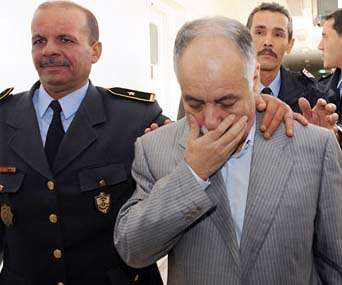
هيومن رايتس واتش: البغدادي المحمودي تعرّض لسوء المعاملة في السجون التونسية!

Libya: Ensure Due Process for Detained Ex-Prime Minister
Al-Baghdadi al-Mahmoudi Says he was Abused in Tunisia

July 6, 2012

(Tripoli) – The Libyan authorities have yet to bring former prime minister Al-Baghdadi al-Mahmoudi before a judge or inform him of the charges against him though he was extradited from Tunisia on June 24, 2012, Human Rights Watch said today after visiting al-Mahmoudi in his prison cell in Tripoli. Al-Mahmoudi said that he had not suffered any abuse during his detention in Libya, but that he had been physically abused in detention in Tunisia.

Providing access to visit al-Mahmoudi was a positive move, but Libyan authorities should ensure that al-Mahmoudi is granted all his rights as a suspect, Human Rights Watch said. He should promptly be brought before a judge to determine the basis for his detention and to be informed of the charges against him. The Tunisian authorities should ensure a prompt and transparent investigation into his allegations of abuse in that country, Human Rights Watch said.

“Tunisia extradited al-Mahmoudi after receiving assurances that Libya would not mistreat him,” said Eric Goldstein, deputy Middle East and North Africa director at Human Rights Watch. “It is now up to Libya to keep its word to respect al-Mahmoudi’s rights, both for him and to show its good intentions toward the 7,000 other people detained across Libya by various authorities.”

The Libyan General Prosecutor’s Office needs to make sure that al-Mahmoudi and all other detainees get a fair trial and due process, Human Rights Watch said.

Al-Mahmoudi, Gaddafi’s prime minister from 2006 to 2011, fled Libya in September 2011. The Tunisian authorities arrested him that month for illegal entry. Tunisia’s government was split over whether to extradite him to Libya, with interim President Moncef Marzouki contending that Tunisia should not extradite al-Mahmoudi because he would be at risk of torture in Libya. However, interim Prime Minister Hamadi Jbali said Libya had promised that al-Mahmoudi would not be mistreated and, on June 24, Tunisian authorities flew al-Mahmoudi to Libya, where he was immediately placed in custody.

Human Rights Watch visited al-Mahmoudi on July 3 in the prison in Tripoli where he and eight other former Gaddafi officials, including former head of foreign intelligence Abu Zaid Dorda, are being held. Human Rights Watch spent about 30 minutes speaking with the former prime minister in what appeared to be full confidentiality, in an office in the prison.

Al-Mahmoudi expressed no complaints with the facility where he is now detained. “I am afraid to be subjected to ill-treatment by random people and militias,” al-Mahmoudi said. “But I feel safe in this facility.”

He added that upon his arrival, he spoke by phone with Mustafa Abdeljalil, chairman of Libya’s ruling National Transitional Council. “I was intimidated at the time and concerned that something could happen to me, but he reassured me that I was now with my own people and would be well received,” al-Mahmoudi told Human Rights Watch.

Human Rights Watch was not in a position to assess whether al-Mahmoudi felt he could speak freely and honestly to its representative about his treatment at the hands of Libyan and Tunisian authorities.

The prison where al-Mahmoudi is held is run by the judicial police. Human Rights Watch was taken on a tour of the premises by the prison director, who said that al-Mahmoudi was being kept separately from the other inmates. During this tour, Human Rights Watch saw a clinic with medical staff, as well as a small courtyard that the director said prisoners can use when let out of their cells. Al-Mahmoudi is being kept in a prison block on his own, which includes four cells adjacent to a common area for recreation as well as separate sanitary facilities in the same block.

Al-Mahmoudi told Human Rights Watch that while he was held in the Mornaguia prison in Tunis, guards threatened him and beat him with sticks, boots, and a plastic whip. He also said Tunisian authorities did not allow him to meet with his lawyer, prompting him to begin a hunger strike.

One of al-Mahmoudi’s lawyers in Tunisia confirmed to Human Rights Watch that lawyers had been unable to talk with him in prison during one week at the end of May.

Al-Mahmoudi told Human Rights Watch that Tunisian officials told him on June 24 that he was being taken to receive medical care, but that instead he was put on a Tripoli-bound plane. On the plane, “The chief of staff of the Libyan Army, General Youssef al-Mangoush, was waiting for me and he reassured me that I would be well treated and not harmed,” al-Mahmoudi said.

Upon his arrival in Tripoli, he said, authorities sent him for a medical examination. Then investigators from the General Prosecutor’s Office interrogated him, he said. He has not yet been informed of the charges he faces, though, or been brought before a judge who can review the lawfulness of his detention.

Al-Mahmoudi said he asked for a lawyer during the investigation phase, which began shortly after he arrived in Libya. Authorities offered to assign him counsel, but he said he preferred to appoint his own. His family was selecting a lawyer, he said.

The International Covenant on Civil and Political Rights (ICCPR), ratified by Libya in 1970, states that anyone facing criminal charges has the right “to be informed promptly and in detail in a language which he understands of the nature and cause of the charge against him.” The ICCPR also requires Libya to ensure that anyone detained is brought promptly before a judge or equivalent. The right to judicial review of all detainees without delay is non-derogable.

Human Rights Watch called on the general prosecutor’s office to ensure al-Mahmoudi and other detainees get their full due process rights and subsequently a fair trial. Human Rights Watch also calls on the Tunisian authorities to investigate the allegations of ill-treatment at the hands of the prison authorities, and to punish anyone found to have abused or ordered abuse.

“For Libyans to achieve justice, the Libyan authorities need to ensure that the rule of law is respected and detainees are granted their full due process rights,” Goldstein said.

الاثنين، 2 يوليو 2012

الخارجية الجزائرية تردّ على طرطور قرطاج: الجزائر ليست معنية بالقرار التونسي!


الحالة الأمنية في دول الجوار لا تسمح بتطبيق مبدأ المعاملة بالمثل
رفضت السلطات الجزائرية قرار الحكومة التونسية القاضي بالسماح للرعايا الجزائريين بالدخول إلى تونس باستظهار بطاقة التعريف الوطنية دون الحاجة إلى جواز سفر، وأعلنت أنها غير معنية به، وعزت ذلك إلى الظروف الأمنية التي تحكم المنطقة المشتركة بين الجزائر وتونس وليبيا التي ''لا تشجع في الوقت الحالي على تنفيذ هذا القرار''.

 قال مصدر عليم بوزارة الخارجية الجزائرية لـ''الخبر'' إن قرار الحكومة التونسية ''يدخل في سياق تدابير استباقية من جانب واحد''، مشيرا إلى أن ''السلطات الجزائرية ليست معنية بهذا القرار ولم تستشر بشأنه ولم تشرك فيه''، باعتبار أنه يهم حركة تنقل رعاياها من والى تونس. وأكد نفس المصدر أنه ''في الوقت الحالي ونظرا للحالة الأمنية التي تسود بعض دول الجوار في الشرق (ليبيا) ، فإنه لا يمكننا تطبيق مبدأ المعاملة بالمثل''، ما يعني أن الجزائر لن تعلن من جانبها السماح لمواطني تونس بالدخول إلى الجزائر ببطاقة التعريف فقط، ولن تكون ملزمة باحترام العرف الدبلوماسي الذي يقضي بالمعاملة بالمثل، بسبب التطورات الأمنية المتصاعدة في المثلث الحدودي المشترك بين الجزائر وتونس وليبيا،، بفعل تحرك المجموعات الإرهابية، والتي دفعت الجيش التونسي قبل يومين إلى إعلان الصحراء التونسية منطقة عسكرية مغلقة.  وتعتقد الجزائر أن الظروف الأمنية السائدة في المنطقة الحدودية بين الجزائر وتونس وليبيا، وتداعيات الانتشار الواسع للسلاح الليبي في المنطقة، ومحاولات المجموعات الإرهابية النشطة استغلال هذا السلاح، إضافة إلى عدم استقرار الأوضاع بشكل كلي في تونس وليبيا، وكذا إمكانية استغلال عناصر المجموعات الإرهابية للقرار التونسي للتحرك بكل حرية على أطراف الحدود بين البلدين، كلها عوامل لا تشجع على تطبيق قرار الحكومة التونسية السماح للجزائريين الدخول إلى تونس باستظهار بطاقة التعريف الوطنية، ويؤكد هذا الموقف استمرار السلطات الجزائرية العمل بنفس قواعد وإجراءات الخروج والدخول من والى الجزائر عبر المعابر الحدودية المشتركة مع تونس، والإبقاء على جواز السفر كوثيقة أساسية للدخول والخروج من الأراضي الجزائرية.

وكانت الحكومة التونسية قد أعلنت، قبل يومين، السماح للرعايا الجزائريين ودول المغرب العربي، عدا ليبيا، بالدخول إلى تونس ببطاقة التعريف الوطنية، بدءا من يوم الفاتح جويلية الجاري. وقال مساعد وزير الخارجية التونسي، عبد الله التريكي، إن ''مواطني الدول المغاربية سيكون لهم، بداية من جويلية القادم، حق العبور بمجرد استظهار بطاقة الهوية، عوضا عن جواز السفر، إضافة إلى حق التنقل والشغل والتملك والاستثمار في تونس''.

ودفع هذا القرار بعدد من الجزائريين إلى التنقل إلى مراكز العبور الحدودية بين الجزائر وتونس للدخول دون جواز سفر، لكن مسؤولي شرطة الحدود بالمركزين الحدوديين ومصالح الجمارك الجزائرية رفضوا ذلك، وأكدوا أن إجراءات العبور العادية مازالت سارية المفعول، حسب قواعدها القانونية وأساسها جواز السفر.


الاثنين، 25 يونيو 2012

المرزوقي رسميا "طرطور" - تهانينا يا سيادة الرئيس!

Tunisie: crise au sommet de l'Etat après l'extradition de Mahmoudi
De Cécile FEUILLATRE (AFP)

TUNIS — La décision du chef du gouvernement tunisien Hamadi Jebali d'extrader dimanche vers la Libye l'ex-Premier ministre libyen Mahmoudi, a déclenché une crise sans précédent avec le président de la République Moncef Marzouki, furieux de ne pas avoir été consulté.
L'extradition dimanche à l'aube de M. Mahmoudi, sur ordre du chef du gouvernement, a sonné comme un véritable camouflet pour le président Marzouki, qui s'est bâti en des décennies d'opposition à Ben Ali une image de farouche défenseur des droits de l'homme.
Le président tunisien avait fait savoir publiquement début juin son "opposition de principe" à toute extradition avant les prochaines élections en Libye. Il se trouvait dans le sud du pays pour des commémorations avec l'armée lorsque M. Mahmoudi a été extradé. Il n'a pas signé le décret d'extradition. Et il a appris la nouvelle par la presse, de l'aveu même de son conseiller.
La violence de la réaction a été à la hauteur de l'humiliation: la présidence a publié dimanche soir un communiqué extrêmement virulent, dénonçant une extradition "illégale" qui "ternit l'image de la Tunisie dans le monde", et rendant M. Jebali "responsable" de tout ce qui pourrait arriver à l'ex-Premier ministre libyen.
La présidence de la République tunisienne a été informée de l'extradition, a rétorqué lundi le porte-parole du gouvernement Samir Dilou, se gardant toutefois de préciser si c'était avant ou après l'extradition.
C'est la première fois depuis leur installation en décembre dernier que la présidence et le gouvernement affichent aussi crûment leurs divergences. L'affaire illustre la fragilité de l'attelage au sommet de l'Etat et la prééminence du parti islamiste Ennahda sur ses deux alliés de circonstance: le parti de gauche nationaliste CPR (Congrès pour la république), dont est issu M. Marzouki, et le parti de gauche Ettakatol, dont le leader Mustapha Ben Jaafar préside l'Assemblée.
Elle illustre aussi la faiblesse des prérogatives du président de la République, cruellement surnommé "tartour" (en arabe: personnage insignifiant, de décor) sur les réseaux sociaux tunisiens.
"L'extradition de M. Mahmoudi concerne la politique étrangère de la Tunisie et ce domaine fait partie des prérogatives de la présidence", a souligné le palais de Carthage dans son communiqué dimanche soir.
Mais M. Jebali avait déjà affirmé début juin que l'extradition était une décision de justice qui pouvait se passer de la signature du président de la République.
"N'envenimons pas la situation
Lundi, les bureaux politiques des trois alliés de la "troïka" au pouvoir devaient se réunir pour examiner l'affaire, que la présidence a annoncé vouloir porter devant l'Assemblée constituante.
Mais déjà le ton était à l'apaisement, notamment au sein du parti de M. Marzouki. "Il y a un malentendu qu'il ne faut pas exagérer", a déclaré à l'AFP un élu du CPR, Abdelwahab Maattar. "A-t-on vraiment intérêt dans la situation actuelle du pays de déclencher une crise ? Le président a raison d'être en colère, mais il faut encaisser cette fois-ci et préserver la troïka", a-t-il ajouté.
"N'envenimons pas la situation", a pour sa part déclaré à l'AFP le porte-parole d'Ennahda, Nejib Gharbi, qui a toutefois lâché: "je ne pense pas que la troïka soit menacée. C'est une alliance stratégique".
Pour le politologue Ahmed Manaï, l'affaire laissera des traces mais ne devrait pas faire exploser l'alliance au sommet de l'Etat. "C'est principalement Moncef Marzouki et son image dans le pays qui en pâtiront. Il sait qu'il doit tout à Ennahda, que son avenir politique en dépend et qu'il ne peut se la mettre à dos", a-t-il estimé.

الجمعة، 22 يونيو 2012

لُومُنْد الفرنسية: انتقالات عربية متعرّجة

Tortueuses transitions arabes  

Une fois dissipée la brève euphorie des "printemps 2.0" de l'an dernier, la réalité s'était vite imposée : les transitions arabes seraient longues, tortueuses et douloureuses. Nous y sommes.

Sans même parler de l'effroyable hémorragie syrienne que nul ne semble en mesure de juguler, l'Histoire en marche au Caire comme à Tunis semble aujourd'hui obéir à un inquiétant retour de balancier. Dix-huit mois après le déclenchement de ces deux révolutions pointe, au mieux, des tentations thermidoriennes et, au pire, le soupçon d'une restauration des anciens régimes et de leurs caciques. Au Caire, c'est le dernier premier ministre d'Hosni Moubarak, Ahmed Shafik, qui sera peut-être propulsé à la place du raïs ; à Tunis, le dernier ministre des affaires étrangères de Ben Ali, Kamel Morjane, s'est montré très présent lors du lancement d'un "appel de Tunis" par l'ancien premier ministre de transition, Béji Caïd Essebsi.

En Egypte comme en Tunisie, on se mobilise contre la menace que porterait en lui l'islam politique qui a d'ores et déjà triomphé dans les urnes. Les outrances salafistes dans un cas, les ambiguïtés des courants liés à la confrérie des Frères musulmans dans l'autre n'y ont pas peu contribué. C'est leur part de responsabilité.

Pour autant, il ne faudrait pas que le balancier poursuive sa course jusqu'au point fixe qui, précisément, a engendré les soulèvements arabes. A savoir les violations systématiques des principes démocratiques et des droits de l'homme pour garantir l'endiguement à tout prix des islamistes, mantra des régimes autoritaires arabes pendant plus de deux décennies.

Par ailleurs, la situation n'est guère plus appréciable dans les pays de la région qui ont pu résister à la vague des "printemps". Le Koweït, la première et l'une des rares principautés du Golfe à s'être essayée à la monarchie parlementaire, se débat depuis des mois dans une crise larvée. Ainsi, mercredi 20 juin, le Parlement y a été dissous - pour la cinquième fois en sept ans - et les élections législatives de février ont été annulées, comme en Egypte, au risque d'accentuer un désenchantement démocratique déjà patent.

Ce n'est pas en Algérie, où les élections législatives ont renforcé le FLN sans restaurer son crédit, que les démocraties arabes pourront trouver des solutions. Et encore moins en Arabie saoudite, bastion contre-révolutionnaire par excellence. En effet, le royaume saoudien est affaibli par les décès successifs de deux princes héritiers en moins d'un an et se retrouve, plus que jamais, prisonnier d'un mécanisme de succession qui restreint l'exercice du pouvoir à un cercle de princes de plus en plus âgés. Cette sourde paralysie n'est évidemment pas la meilleure façon de préparer l'avenir et d'inventer une économie de l'après-pétrole.

Longues, tortueuses et douloureuses : les transitions arabes le seront décidément. Mais, à tout prendre, elles restent plus prometteuses que la régression vers l'ordre ancien.

الأربعاء، 20 يونيو 2012

الغارديان: حالة العدالة التونسية بعد إدانة بن علي

After Ben-Ali's conviction: the state of Tunisian justice
By Clive Baldwin - The Guardian

It has been a significant week – but Tunisia's justice system lacks independence and the principle of 'command responsibility'

Tunisian soldiers stand guard outside the national assembly after president Zine al-Abdine Ben Ali fled the country in January 2011. Photograph: Zoubier Souissi/Reuters
A few years ago Zine el Abidine Ben Ali looked set to be president of Tunisia for life, having ruled since 1987. Instead, on Wednesday, a Tunisian military court sentenced him to prison for life, for complicity in the murder and attempted murder of demonstrators during the revolution that began the Arab spring.

In practice, this seems likely to mean exile for life in Saudi Arabia, the country the 75-year-old former ruler fled to with his family after the deaths of more than 100 protesters failed to stop the popular uprising.

The two trials that concluded on Wednesday were far from ideal, even if several of his most senior officials were convicted, and some acquitted. Ben Ali's absence from Tunisia meant his trial was conducted in absentia. So for him justice has still not been served, although all of his co-defendants were present.

If he did ever return to the country he should be entitled to a new hearing. There appears little chance of that at present, with the current Tunisian government making only the most desultory requests of the Saudis. The Tunisian prime minister has said the issue of Ben Ali's extradition is "minor".

The trial also took place in a military court, which automatically raises concerns about independence. Military justice should be limited to prosecuting military personnel for strictly military issues, and trials for killing civilians belong in ordinary courts.

Although significant reforms in military justice took place after the revolution, bringing in some civilian judges and allowing the victims of crimes to participate in trials as full parties, problems remain. A senior civilian judge told me in Tunis a few weeks ago: "The military judges now wear robes, but underneath they still have their uniforms and their ranks" – meaning that the judges are still subject to military hierarchy. The defence minister still appoints military judges.

Despite these problems, what is going on in Tunisia should be recognised as significant. It was not just Ben Ali who was convicted on Wednesday but several other senior figures, including his former minister of the interior Rafik Hadj Kacem. And although the lawyers for the victims and the defendants did appear to have well-founded complaints about their ability to access some of the evidence, in our monitoring of the hearings we found little evidence of serious violations of the right to a fair trial. Indeed the court acquitted others, including Ali Seriati, former head of the presidential guard, to the great disgust of many. But the prosecution had not presented evidence that Seriati or his forces were present during the relevant shootings, or that he gave orders to shoot demonstrators.

In fact the greatest problem in ensuring legal accountability of senior people is that Tunisian law does not recognise the principle of "command responsibility" – that those in positions of authority can be criminally responsible for serious crimes committed by their subordinates, when they knew or should have known about the crimes and failed to prevent them or punish those responsible. This is a basic principle of international criminal justice, and has shown itself again and again to be essential in holding to account the most senior officials – those who are rarely at the scene of a crime and do not give their orders in writing. Without this principle in Tunisian law the prosecution has had to try to show that the senior figures actually gave orders.

Tunisia has dropped from the headlines, often for good reasons, as it has not experienced the chaos of Libya or Egypt. Yet it remains at a critical stage, with its first elected assembly in the process of drawing up a new constitution. At the same time the status of justice, and basic rule of law remains a critical signal of whether it is progressing toward the country the demonstrators against Ben Ali wanted. Tunisia has the world's only minister for transitional justice, but there appears to be very slow progress on the basic issues that need to be addressed

Tunisia needs to make the justice system fully independent of the government – a system in which ministers do not interfere in prosecution decisions or trials. But Tunisia also needs to remove, and even prosecute, the judges who were clearly complicit in the abuses under Ben Ali. At present a "temporary" solution, of suspending the Ben Ali-era mechanisms of governing the justice system, has given the justice minister more power to appoint, discipline and assign judges than ever before. Such a temporary situation should not become permanent.

Justice in Tunisia remains in flux. You still have to step over barbed wire and walk past an army vehicle to get into the main civilian court. The trials of senior figures show a certain willingness to attempt to address, in court, the crimes committed by the most senior people. But the laws and justice system are still not up to the task of such prosecutions. It is now urgent for Tunisia to reform them to meet the international standards it has signed up to, not least to recognise command responsibility for serious crimes, and ensure the independence of the judges and prosecutors from politicians.

الفاينانشال تايمز: حان الوقت لتكون تونس أكثر شدّة مع المتطرّفين!

Time for Tunisia to be tough on extremists

By Borzou Daragahi in Cairo

In the six months since it was elected last year, Tunisia’s moderate Islamist government has for the most part been a model of relative success for a region undergoing drastic political change.

Led by Hamadi Jabali, the prime minister, of the Islamist Nahda party, it includes secular liberal groupings led by human rights activist Moncef Marzouki, who serves as president, and social democrat Mustapha bin Jaafar, the parliamentary Speaker. It has eschewed an ideological programme in favour of a pragmatic agenda focused on rebuilding the economy.

But in reacting to extremist Islamists rioting across the country over a provocative art exhibit, the government faces its greatest political test yet, one with the potential for grave failure. Many Tunisians and international observers worry that its half-hearted response is a misguided pursuit of short-term interests that might endanger the revolution and the hope that a new crop of moderate Islamist leaders will be able to uphold the tenets of liberal democracy while maintaining a Muslim identity.

A primary argument for accepting and even advocating the rise of moderate Islamists in Libya, Egypt and Syria is that only they will be able to confront the radicals in their ranks and guide them into the mainstream.

In Tunisia’s case, Nahda’s political inexperience has caused it to lurch between mollifying and confronting the Salafists. The ultraconservative Islamists smashed and looted the gallery, smashed up a courthouse, attacked police stations and tried to burn down the fine arts academy.

“Nahda are in a very difficult position,” said Omayya Siddik, an independent political analyst in Tunis. “They [the party’s leaders] do not know how to create a balance between the attacks from the Salafists and the possibility of losing the religious electorate. The problem is that the protests against the art exhibit are very popular among a huge part of the public.”

Some of the works in the exhibit – on display at a private gallery in the upmarket Marsa suburb of the capital – merely poked fun at the Salafists. Others were more provocative: one used dead insects to spell out the word “Allah”.

Politicians of all stripes condemned the violence, police arrested dozens of people and authorities barred a Salafist cleric from preaching after he called for the death of one of the artists – but the government has shied away from overt condemnation, failing even to criticise the Salafists by name.

Instead, Nahda leaders and the party’s officials in government criticised the artists for launching “attacks on national sacred symbols” – in the words of a press communiqué issued by Rachid Ghannouchi, the founder of Nahda – and advocated laws to ban art that offended religious sensibilities. In so doing they are supporting the Salafists’ world view: do not bother firebombing galleries, just wait for the government to shut them down.

Time and time again, Nahda and its leaders have shown they are moderates who generally respect the ground rules of liberal democracy. But by seeming to appease the Salafists, they run the risk of appearing weak or opportunistic: devout Muslims are part of its political base and general elections are scheduled for March next year.

North African governments face serious challenges from militant Islamists. At the weekend, al-Qaeda leader Ayman Zawahiri declared jihad against the Tunisian government. Many of the country’s mosques have been taken over by Salafist preachers who have been known to rail against the same democratic principles that allow them to speak freely.

Analysts say the government would better serve its own interests – as well as those of the country – by cracking down on any Salafist who breaks the law, opening investigations into Salafist finances and siding firmly with liberals when basic issues of state and society are at stake. This may be the Tunisian post-revolutionary political class’s moment to assert its authority.

الخميس، 31 مايو 2012

الشعب يريد إسقاط النظام!

Pour la chute du régime de Tunis

Par CHOUKRI HMED Maître de conférences Université Paris-Dauphine, HÈLA YOUSFI Maître de conférences Université Paris-Dauphine

La révolution tunisienne semble être, une fois de plus, à un tournant décisif de son histoire. Depuis l’élection de l’Assemblée constituante, le torchon brûle entre le parti islamiste Ennahda et une partie de l’opposition, médiatisée sous le terme «démocrate», laquelle a refusé d’entrer au gouvernement. L’affrontement est monté d’un cran au début du mois d’avril 2012 à la suite de la répression féroce par les forces de l’ordre de manifestations réclamant le droit au travail et la liberté d’expression. La réaction de la plupart des partis d’opposition ne s’est pas fait attendre : nous serions entrés dans la dictature théocratique et les libertés individuelles seraient plus que jamais en danger depuis l’arrivée au pouvoir de ceux dont le rêve à peine refoulé serait d’instaurer un «Tunistan».

S’il faut s’indigner des menaces réelles proférées contre les libertés d’opinion et de croyance, et s’inquiéter du fait que celles-ci pèsent moins sur les courants dits «salafistes» que sur les «démocrates», il ne s’agit pas non plus de prendre des vessies pour des lanternes. Car à quoi assiste-t-on depuis la fuite de Ben Ali sinon à la reconduite de la même structure de débats et d’opposition entre «démocrates» et «islamistes» de l’autre ? Ce clivage a atteint son apogée le 1er mai 2012 lors de la manifestation qui devait rappeler les enjeux sociaux et économiques de la révolution. Le slogan phare «Travail, liberté, dignité» a été noyé dans la cacophonie orchestrée d’un côté par les partisans d’Ennahda qui scandaient «Par notre âme et notre sang, nous te défendrons, ô gouvernement !», de l’autre par leurs pourfendeurs qui répliquaient «Que chute le gouvernement de la honte !».

Cette lutte apparemment sans merci semble être l’unique jeu auquel islamistes et modernistes soient en mesure de jouer. Il a pour effet de reléguer la question sociale au second plan en bloquant le désir d’un grand nombre de Tunisiens de rompre avec le mode de gouvernement qu’ils connaissent depuis plus d’un demi-siècle. En effet, les stratégies de l’opposition portée essentiellement par le Parti républicain et la Voie sociale et démocratique mais aussi par une partie des vestiges de l’ancien régime ne visent pas la remise en question du régime politique ni du modèle économique qui prévalaient avant la révolution. La plupart des leaders de l’opposition au gouvernement actuel n’ont jamais rechigné à prêter main-forte aux trois gouvernements provisoires - non issus d’élections. Les exactions commises - ordonnées, devrait-on dire - par ces gouvernements à l’encontre des mouvements révolutionnaires ont provoqué, y compris après la fuite de l’ex-président, des centaines de morts et de blessés, sans qu’aucun de ces opposants «démocrates» ne s’en émeuve. Leur appel à la «résistance» aujourd’hui sonne d’autant plus faux que les revendications populaires pour une véritable justice transitionnelle et l’assainissement des appareils judiciaire et sécuritaire n’ont trouvé jusqu’ici aucun écho dans leur programme pourtant «démocratique». Celui-ci se contente de revendiquer la liberté d’opinion, de croyance et d’entreprise pour les fractions supérieures des classes moyennes, aux dépens des revendications de justice et d’équité portées par les groupes les plus défavorisés.

Dans ces conditions les protestations de l’opposition, toutes entières ordonnées autour de la liberté d’expression, ne gênent en rien l’actuel gouvernement provisoire. Au contraire, ces récriminations régulières permettent de détourner l’attention médiatique de tractations autrement plus inquiétantes, comme la volonté de nombreux cadres islamistes de s’accaparer les rouages de l’Etat ou de donner un second souffle au modèle économique néolibéral qui s’accommode de la charité individuelle et rogne toujours plus sur la solidarité nationale. Ainsi l’enjeu de la justice transitionnelle, seule garantie de rupture véritable, a été sacrifié face à l’impératif de sceller des alliances avec certains symboles de l’ancien régime pour se maintenir au pouvoir. La transition se réduirait ainsi à une lutte entre les deux camps pour la conquête du pouvoir, laquelle conditionnerait la redistribution de la rente entre anciennes et nouvelles élites.

On comprend, dès lors, que la bataille à laquelle on assiste aujourd’hui n’est nullement celle qui nous est donnée à voir : elle réside plutôt entre les tenants d’un ancien régime rénové et les partisans d’une rupture franche et large avec les fondements et les pratiques d’un pouvoir dont les Tunisiens ne veulent plus. Sa caractéristique est qu’elle traverse les partis d’opposition tout autant que les partis au pouvoir. Cette tension est d’autant plus accentuée que les benalistes reconvertis récemment à la démocratie tentent d’achever leur refondation, drapés qu’ils sont de la légitimité historique («Bourguiba, libérateur de la femme et bâtisseur de la nation»), à défaut de pouvoir revendiquer une légitimité électorale. Détenteurs des compétences d’Etat, mais surtout de baronnies solidement établies dans les ministères clés, ils sont tentés de faire chanter islamistes et modernistes pour monnayer leur retour sur la scène politique.

L’issue des prochains mois est donc moins dans les mains de ceux qui agitent le perpétuel «chiffon vert», que dans celles, plus agiles et plus efficaces, des tenants du retour à l’ordre ancien. Le peuple tunisien reste à tout le moins l’otage de ces stratégies politiques que la révolution du 17 décembre 2010 a largement invalidées. La contestation à laquelle on assiste, portée notamment par les diplômés chômeurs et les familles des martyrs et des blessés de la révolution, remet au centre de la vie politique les premières victimes de ce régime qu’il s’agit de faire tomber. Si le processus révolutionnaire en Tunisie paraît se chercher encore, son succès dépendra de la capacité des groupes politiques à résister à la force de la contre-révolution sous toutes ses formes, à mettre en place une dynamique de justice transitionnelle efficace et surtout à donner une traduction politique, sociale et économique claire à son premier axe programmatique : «Le peuple veut la chute du régime».

الاثنين، 28 مايو 2012

على ذمّة صحفي فرنسي: النهضة تدرّب ميليشيات مسلّحة!

Nicholas Beau (*)
Solitude au Palais de Carthage

Moncef Marzouki a pris du poids. Mais ce poids là n’est pas politique, plutôt de la mauvaise graisse. L’opinion tunisienne le surnomme « le Tartour » (le polichinelle); son mouvement, « le Congrès pour la République » (CPR), est éclaté, sans visibilité ; son frère ennemi au sein de la troïka, Ben Jaffaar, est adoubé par le nouveau président français, François Hollande, qui lui a adressé un coup de fil apèrs sa victoire aus Présidentielles.
Même au Palais de Carthage, le personnel s’est mis en grève. Un Président qui ne sait faire régner l’harmonie dans ses arrières cuisines peut-il prétendre jouer un rôle dans la recomposition politique de la Tunisie ? Sans doute pas…
Opposant irréprochable que j'ai connu à Paris pendant les années Ben Ali, Moncef Marzouki a eu l’extrême courtoisie de m’inviter au Palais de Carthage. Quelle étrange expérience de franchir les grilles de la superbe demeure présidentielle. Le chauffeur de taxi a paru pétrifié quand je lui ai demandé de me déposer devant la Présidence. Sa voiture a pilé net et j’ai du parcourir à pied les trois cent derniers mères qui me séparaient de la guérite présidentielle. Le garde qui m’a conduit jusqu’aux bureaux du président Marzouki, lui, n’a pas daigné me saluer. Un grognard de Ben Ali ?
L’actuel Président occupe une grande maison, qui domine les superbes ruines. La piscine est vide et quelques toboggans en plastique témoignent des ébats, hier, du petit Ben Ali. « Je vais vendre une partie des Palais de la Présidence, il faut relancer l’économie tunisienne ». Le président Marzouki est passionné, sincère ; il parle beaucoup, sans s’interrompre, ne sollicite pas l’adhésion, ni ne cherche pas à sonder son interlocuteur.
Raide en son Palais, soutenu par les islamsites comme la corde sotient le pendu, Moncef Marzouki croit qu’il gouverne la Tunisie. Comme hier, les bruits du dehors ne parviennent pas jusqu’au Palais de Carthage.

Nahda à marche forcée.

Les islamistes veulent faire vite désormais. L’opposition est fragmentée, éclatée ? Eux sont prêts. Et viennent d’annoncer des élections pour le mois de mars prochain. Soit neuf petits mois. Cadenassé par une communication millimétrée, le mouvement « Nahda » apparaît de plus en plus comme une forteresse autiste.
Les dirigeants de Nahda se préparent également au pire, une confrontation avec les nostalgiques du Benalisme. Au ministère de l’Intérieur tunisien, certains hauts cadres dénoncent la formation de 10000 à 12000 jeunes militants nahdaouis dans des camps d’entrainement à Khledia, Tataouin et Medenine. Dans la rue, ces groupes vindicatifs imposent déjà trop souvent leurs codes vestimentaires et religieux. Ils sont parfois armés. En effet, fusils et pistolets circulent librement dans le sud de la Tunisie, notamment depuis les heures sombres où des navires qataris, bourrés d’armes pour le CNT libyen, appareillaient à Zarzis dans le sud tunisien. Les fusils, apparemment, se sont pas tous arrivés à destination… Parallèlement, le ministre de l’Intérieur islamiste multiplie les recrutements de fidèles, sans vraie sélection, au sein des forces de l’ordre.
Une veillée d’armes.

Les douze mercenaires de « Beji »

« Comment nous, les élites modernistes tunisiennes, pouvons nous parler au peuple qui vit dans ce pays de l’intérieur islamisé et délaissé depuis si longtemps, trop longtemps ? » Question pertinente, la seule qui vaille pour les anti Nahda, posée par un proche de « Beji ». Syndicalistes comme Taieb Baccouche, technocrates brillants ou anciens ministres, ils sont douze fidèles de l’ancien Premier ministre, Beji Caïd Essebsi, à se réunir régulièrement. Leurs objectifs : reconstruire une opposition divisée et impuissante, mordre sur l’électorat populaire, séduire la frange ouverte des « mauves », l’ex RCD de Ben Ali, et réunir un tiers des électeurs face aux islamistes. Le tout grâce à la personnalité charismatique et au langage populiste du leader bourguibiste. L’âge avance de Beji, qui handicape sa capacité à exercer le pouvoir ? Il serait, à leurs yeux, un atout. Sans avenir, l’ancien ministre de Bourguiba est plus consensuel que jamais.
Hélas, un Beji peut cacher un Ben Ammar. Et pire un Berlusconi ! Des photos qui ont circulé sur le Net ont montré l’ancien Premier ministre dans un grand hôtel parisien, le Georges V, en compagnie du producteur Tarek Ben Ammar et de Silvio Berlusconi. Leur hôte et propriétaire du palace, Al-Walid Ben Talal, est une des plus grandes fortunes saoudiennes. Quelques jours plus tard, Beji était reçu au Qatar par l’Emir et par son Premier ministre : « Nous ne sommes avec personne en particulier, lui aurait confié ce dernier, et nous sommes amis de tout le monde ». Le leader anti Nahda qui cherche des soutiens à Doha et à Ryad, la Tunisie ne tourne plus rond.
Pire, certains murmurent déjà à Tunis que Beji verrait bien comme dauphin le flamboyant producteur de cinéma et de télévision. Après tout, l’ex ministre de Bourguiba connaissait fort bien le père de Tarek Ben Ammar et frère de Wassila Bourguiba. Voici le clan des Tunisois à l’ouvrage. Et quel ouvrage !
Avec quelques millions de dollars, une chaine de télé et un physique de beau gosse, la conquête de la présidence tunisienne serait donc à la portée de n’importe quel revenant, fut-il un ancien soutien du régime de Ben Ali.
Heureusement, le peuple tunisie saura être vigilant !


(*) Nicolas Beau est journaliste et écrivain français. Il est présentement le rédacteur en chef du site d'informations satiriques Bakchich.info. M. Beau a écrit plusieurs ouvrages qui portent sur la Tunisie: "Notre Ami Ben Ali, l'envers du miracle tunisien" (édition La Découverte, 1999), "La régente de Carthage: Main basse sur la Tunisie" (édition La Découverte, 2009) et "Paris et Tunis: Les liaisons dangereuses" (2011).


تعليق مدوّنة محبط جداااا...
نحن في هذه المدوّنة المتواضعة لا نملك أية إمكانيات أو وسائل لتأكيد أو نفي الخبر الذي نقله الصحفي نيكولا بو في مقاله هذا والذي يتهم حركة النهضة بتكوين ما بين عشرة واثني عشر ألف عنصر شاب في مخيّمات تدريب وتسليحهم. كما يتهم السيد علي العريض وزير الداخلية بانتداب أعوان أمن لهم توجّه سياسي نهضاوي. لذلك ننقل هذا المقال بتحفظ شديد وذلك في ظل غياب أية مصادر أخرى تنفي أو تؤكد. كما أننا سنعمل على متابعة هذا الموضوع ونشر أية مستجدات جديرة بالثقة حوله. وأهدافنا من وراء نشر هذا المقال، كمدوّنة مواطنية تعبّر على حجم الإحباط الذي يشعر به جزء من التونسيين بعد "ثورة" 14 جانفي، هي: 

  1. إثارة انتباه الرأي العام مع الالتزام بالتحفّظ والحذر في التعامل مع هذا الخبر: فالصحفي نيكولا بو رجل كتب كثيرا حول فساد نظام بن علي وكشف أسرارا مثيرة حوله في وقت كان فيه العديد من السياسيين والإعلاميين التونسيين المتواجدين على الساحة هذه الأيام يتواطئون معه ومع نظامه. لكن هذا لا يعني أنّ كل ما يكتبه صحيح ولا شكّ حوله. فقد سبق أن نشر السيد بو معلومات في فيفري 2011 حول تعرّض بن علي لجلطة دماغية في السعودية وثبت بعد ذلك خطئها.
  2. دعوة المختصين للتحقيق في الموضوع: إنّ المعلومات التي ينقلها السيد بو خطيرة جدا وتستحق اهتمام الرأي العام وسعي الصحافة المختصة والسياسيين للتأكد من صحّتها أو خطئها وذلك حماية للبلاد من أية انزلاقات محتملة لا تحمد عقباها.
والله من وراء القصد...

الجمعة، 25 مايو 2012

صحيفة فرنسية تكشف تدخّل النهضة في قضية البغدادي المحمودي

Chantage d’Etat autour des fonds secrets libyens

Resumé: Le chef des services secrets libyens, accompagné d’un leader islamiste tunisien, a fait « pression » début mai sur l’ancien premier ministre de Kadhafi, incarcéré à Tunis, pour qu’il livre les secrets bancaires de l’ancien régime, dénonce son avocat parisien. Baghdadi Ali al-Mahmoudi, qui a affirmé avoir supervisé les financements occultes de Sarkozy par Kadhafi, est sous la menace d’une extradition vers Tripoli. Son sort est entre les mains du président tunisien Moncef Marzouki.

PAR FABRICE ARFI ET KARL LASKE
ARTICLE PUBLIÉ LE JEUDI 24 MAI 2012 - MEDIAPART

Il est l’un des hommes clés de l’affaire Kadhafi/Sarkozy. Écroué en Tunisie depuis neuf mois, l’ancien premier ministre libyen Baghdadi Ali al-Mahmoudi, qui a reconnu avoir lui-même « supervisé » le financement occulte de Nicolas Sarkozy par la Libye en 2007, se retrouve aujourd’hui au centre d’un marchandage d’Etat. Menacé cette semaine d’une extradition rapide vers la Libye par le ministre tunisien de la justice, l’ex-chef du gouvernement libyen a fait l’objet de « pressions » pour livrer les secrets bancaires de l’ancien régime, selon l’un de ses avocats à Paris, Me Marcel Ceccaldi. Alors qu’avocats tunisiens et français s’étaient disputé il y a quelques semaines le leadership de la défense de Baghdadi Ali al-Mahmoudi, ils sont désormais d’accord pour déjouer coûte que coûte le scénario d’une extradition précipitée.

Baghdadi Ali Al-Mahmoudi
Le chef des services secrets libyens, Salim El Hassi, accompagné d’un leader islamiste tunisien, a rendu visite, le 5 mai, à Paris, à Me Marcel Ceccaldi pour lui proposer une « négociation globale », incluant également le sort d’autres dignitaires en fuite, parmi de Baghdadi Ali al-Mahmoudi, ainsi que la levée du mandat d’arrêt visant Bachir Saleh. Selon l’avocat, le représentant du parti Ennahda, Saïd Ferjani, par ailleurs conseiller du ministère de la justice, a rendu visite dès son retour en Tunisie à l’ancien premier ministre libyen en prison. « Oui, je l’ai vu en détention, confirme M. Ferjani. M.Baghdadi a menacé plusieurs fois de se suicider. Il a aussi essayé de s’échapper de la prison et ce n’est pas acceptable. Quant à son extradition, les Tunisiens ont eu des garanties sur les droits de l’homme en Libye. Il paraît que la situation n’est pas aussi mauvaise que certains le craignent. »

De fait, quelques jours après la visite de M. Ferjani en prison, le ministre de la justice tunisien, Noureddine Bhiri, lui aussi membre d’Ennahda, annonçait l’extradition imminente de l’ancien dirigeant libyen. Il a ainsi fait savoir, le 22 mai, à l’agence Reuters, que « le gouvernement a décidé l’extradition de M.Mahmoudi et qu’il restait juste quelques formalités à effectuer ». Mais l’information a été contredite dès le lendemain par les porte-parole du président de la République tunisienne, Moncef Marzouki, issu du parti Congrès lesquels Bachir Saleh, l’ancien directeur de cabinet de Mouammar Kadhafi, et Sabri Shadi, ancien dirigeant de la compagnie aérienne Afriqiyah Airways.

Noureddine Bhiri
Dirigeants d’Ennahdha au Georges V et au Fouquet’s

« Il y a quinze jours, le chef actuel des services de renseignements libyens, Salim El Hassi, est venu me rencontrer à Paris, avec son directeur de cabinet et un membre du bureau politique d’Ennahda, Saïd Ferjani. Ils sont descendus au Georges V et je les ai invités au Fouquet’s », explique Me Ceccaldi, qui a conservé la note de restaurant et les cartes professionnelles de ses visiteurs. « Ils m’ont dit : “Ne faites pas d’actions sur le plan international”, confie Me Ceccaldi. Ils demandaient que le premier ministre livre les clés des comptes libyens à l’étranger. »

Salim El Hassi, opposant historique à Kadhafi ayant participé dans les années 1980 à une tentative de coup d’Etat contre le dirigeant libyen, a été nommé en février dernier par le Conseil national de transition (CNT) à la tête des services secrets du pays. En déplacement à l’étranger, selon le CNT, il n’a pu être joint par Mediapart. Saïd Ferjani est de son côté un pilier du parti islamiste Ennahda, qui détient en Tunisie les portefeuilles de premier ministre et ministre de la justice.

Saïd Ferjani
Contacté jeudi 24 mai par Mediapart, M. Ferjani a confirmé les « discussions officieuses » révélées par l’avocat parisien. « C’est une discussion entre la partie libyenne et Me Ceccaldi. J’ai essayé d’être une catalyse entre ces gens. Les Libyens voulaient récupérer l’argent de M. Baghdadi, qui appartient à l’Etat libyen. C’est tout à fait légitime. M. Ceccaldi a des informations sur ce sujet. Les gens qui font partie de l’ancien régime sont assez dangereux et ils ont de l’argent. Les Libyens veulent que ces gens-là cessent de causer des problèmes. C’est un problème de sécurité », assure le responsable islamiste tunisien.

Confusion au sommet de l’état Tunisien

Me Ceccaldi assure avoir indiqué à ses interlocuteurs que le déblocage des fonds libyens ne dépendait pas du bon vouloir de l’ancien premier ministre incarcéré, mais de celui des États occidentaux qui en sont à l’origine. Il leur a, en revanche, demandé la libération pour la République. La présidence reconnaît avoir en effet donné son aval pour l’extradition, mais elle assure qu’elle ne sera mise en œuvre que « sous réserve de certaines garanties ». Une façon de temporiser et de calmer l’opposition à cette extradition, dénoncée par plusieurs associations de défense des droits de l’homme compte tenu de l’instabilité institutionnelle de la Libye.

« L’ancien premier ministre m’a dit : “Ils ne me veulent pas en tant que personne physique mais pour les dossiers que j’ai”, explique de son côté M. Mabrouk Kourchid, avocat de l’ancien premier ministre libyen à Tunis. Il y a une volonté internationale de l’incarcérer. Nous sommes très inquiets. Nous craignons, comme des organisations des droits de l’homme l’ont souligné, qu’une fois extradé, il soit torturé, tué ou exécuté. Jusqu’à présent aucun pays n’a encore extradé d’agent de Kadhafi. »

Le 25 octobre dernier, l’ancien premier ministre avait publiquement déclaré devant la cour d’appel de Tunis : «Oui, en tant que premier ministre, j’ai moi-même supervisé le dossier du financement de la campagne de Sarkozy depuis Tripoli, des fonds ont été transférés en Suisse et Nicolas Sarkozy était reconnaissant pour cette aide libyenne et n’a cessé de le répéter à certains intermédiaires », selon l’un des avocat présents, M. Mehdi Bouaouaja. Un autre avocat présent à l’audience, Me Slim Ben Othman, a précisé à Mediapart : « Baghdadi Ali al-Mahmoudi a dit avoir remis à une délégation française envoyée par Sarkozy de l’argent, beaucoup d’argent, des millions d’euros en liasses de billets. Il a des documents comptables. On ne remet pas des millions d’euros sans aucune signature. »


الخميس، 24 مايو 2012

بلاغ وكالة ستنادرد آند بورز حول تخفيض الترقيم السيادي لتونس

Tunisia Foreign And Local Currency Ratings Lowered To 'BB/B' On Weaker Economic Indicators; Outlook Stable 

Publication date: 23-May-2012 00:01:19 EST

  • For the Republic of Tunisia, economic, fiscal, and external indicators--both in reported data and in our revised forecasts--are now weaker than we previously anticipated.
  • Despite overall stability and consensus since the removal of President Ben Ali in early 2011, we believe pronounced medium-term policy uncertainties will persist, at least until Tunisia adopts a new constitution and elects a government. We do not expect this before mid-2013.
  • We are therefore lowering our long- and short-term foreign currency sovereign credit ratings on Tunisia to 'BB/B' from 'BBB-/A-3'. We are lowering the long- and short-term local currency ratings to 'BB/B' from 'BBB/A-3'. We are equalizing our long-term local currency rating with the long-term foreign currency rating.
  • We assign a recovery rating of '3' to the Central Bank of Tunisia, indicating a "meaningful" (50%-70%) recovery range in case of default.
  • The stable outlook reflects our expectation that, despite uncertainties, the ongoing transition to the 2013 elections will occur without major political conflict. The outlook also reflects our expectation that Tunisia's fiscal and external balances will gradually recover over the next few years.
FRANKFURT (Standard & Poor's) May 23, 2012--Standard & Poor's Ratings Services today lowered its long- and short-term foreign currency sovereign credit ratings on the Republic of Tunisia to 'BB/B' from 'BBB-/A-3'. We lowered the long- and short-term local currency ratings to 'BB/B' from 'BBB/A-3'. The
outlook is stable.

At the same time we lowered our long- and short-term foreign currency issuer credit ratings on the Central Bank of Tunisia to 'BB/B from 'BBB-/A-3' and lowered the long- and short-term local currency ratings to 'BB/B from 'BBB/A-3'. The outlook is stable.

The recovery rating on the Central Bank of Tunisia is '3', indicating a "meaningful" recovery in case of default in the range of 50%-70%.

The transfer and convertibility (T&C) assessment is revised to 'BB+'.

Although overall political stability since the removal of President Ben Ali in early 2011 has stayed within our expectations, we do not believe that Tunisia's transitional government--in office since December 2011--will be able to take proactive corrective measures against a weakening economic and financial backdrop that would be consistent with an investment grade rating.
However, once a draft constitution is approved by referendum and parliamentary elections take place (planned for no later than June 2013), we anticipate the new government will find its feet and that Tunisia's political and economic indicators will be more consistent with the 'BB' ratings category. Our stable outlook on the long-term ratings indicates that we believe the political transition should be smooth and the country should withstand potentially considerable external shocks emanating from Europe.

Tunisia's GDP contracted by 1.8% in real terms in 2011 (our previous projection was for zero growth; see "Sovereign Risk Indicators" published Dec. 28, 2011). Lower tourism receipts and a widening trade deficit led to a weaker external liquidity position combined with a rising short-term external debt stock. We anticipate that recovery will be slow, particularly given the weak economic environment in the European Union--by far Tunisia's largest export market and source of foreign direct investment (FDI) and tourists.  Unemployment has also risen sharply to be now estimated at more than 18%, since the January 2011 revolution.

Increased government spending to support domestic demand and livelihoods helped prevent Tunisia's 2011 recession from deepening, but it led to a sharp deterioration in the public finances. We now anticipate a general government deficit of close to 7.0% of GDP in 2012, higher than our previous forecast of 3.9%. We expect fiscal consolidation to be gradual as economic and social conditions make a more rapid adjustment difficult, with the deficit still above 3.0% of GDP in 2015.

To fund this deficit, we believe general government debt will rise substantially to peak at 49% in 2013, from around 40% in 2010, before stabilizing and gradually declining thereafter. We believe that the government's access to official financing will remain strong as long as an elected government articulates a clear  medium-term economic plan.

External liquidity has also suffered. Amid a collapse in tourism receipts in 2011, the current account deficit widened sharply to around 7.5% of GDP (two percentage points higher than our previous forecast) and we anticipate that it will remain above 5.0% through to 2015. Both narrow net external debt and gross external financing needs have risen sharply relative to current account receipts (CARs) and official useable reserves. We project Tunisia's 2012 gross external financing needs as a proportion of CARs and useable reserves at around 109%, which we anticipate will be financed by public sector borrowing from official creditors, FDI, and an increase in private sector debt. We believe about $5.2 billion of short-term external debt, comprised mostly of non-resident deposits and trade-related credit, will be fully rolled over.

The ratings continue to be constrained by the country's fragile banking system, which we believe has weak asset quality (see "BICRA On Tunisia Maintained At Group '8'," Nov. 9, 2011). Domestic claims on the private sector grew by 13% in 2011 and we anticipate this to grow by a further 11% in 2012, in part due to widespread restructurings of principal and interest of loans.

With per capita GDP currently less than $5,000, Tunisia is a middle-income country with development needs that will stay high in the medium-to-long term, constraining fiscal expenditure flexibility.

Supporting the ratings are a relatively well-diversified economy and well-educated labor force, a broadly supportive business environment, increasing media freedoms, and improving accountability of state institutions.

The long-term local currency rating has been equalized with the foreign currency rating at 'BB', as we now do not expect significant progress in moving to a floating exchange rate regime from the current soft peg to a basket of currencies. Under our criteria, greater monetary policy independence is a condition for such a rating distinction.

The T&C assessment of 'BB+' reflects our opinion that the likelihood of the sovereign restricting access to foreign exchange needed by Tunisia-based nonsovereign issuers for debt service is slightly lower than the likelihood of the sovereign defaulting on its foreign-currency obligations. While the government has current account repatriation and foreign exchange surrender requirements in addition to other controls, they are being reduced. However, this process may cease or reverse in a severe downside scenario.

The '3' recovery rating on the Central Bank of Tunisia indicates a "meaningful" recovery in case of default in the range of 50%-70%. We assign recovery ratings to all rated speculative grade sovereigns that have a substantial amount of commercial debt outstanding. The recovery analysis assumes that Tunisia might default if high current account imbalances persist and the country's net external liability position rises significantly above its 2003 peak of nearly 240% of CARs, which we do not currently project. External funding could come under pressure if FDI remains constrained by political uncertainties, and the banks, which have significant short-term external debt, experience roll-over problems. Such developments might quickly lead to higher fiscal pressures.

Complete ratings information is available to subscribers of RatingsDirect on the Global Credit Portal at www.globalcreditportal.com. All ratings affected by this rating action can be found on Standard & Poor's public Web site at www.standardandpoors.com. Use the Ratings search box located in the left column.  Alternatively, call one of the following Standard & Poor's numbers: Client Support Europe (44) 20-7176-7176; London Press Office (44) 20-7176-3605; Paris (33) 1-4420-6708; Frankfurt (49) 69-33-999-225; Stockholm (46) 8-440-5914; or Moscow 7 (495) 783-4009.